Everyday Care
Could my new medicine be making my mouth dry?
A dry mouth after starting a medicine is worth mentioning. What to tell your dentist and doctor, ways to ease discomfort, and why your teeth need attention too.
8 November 2026
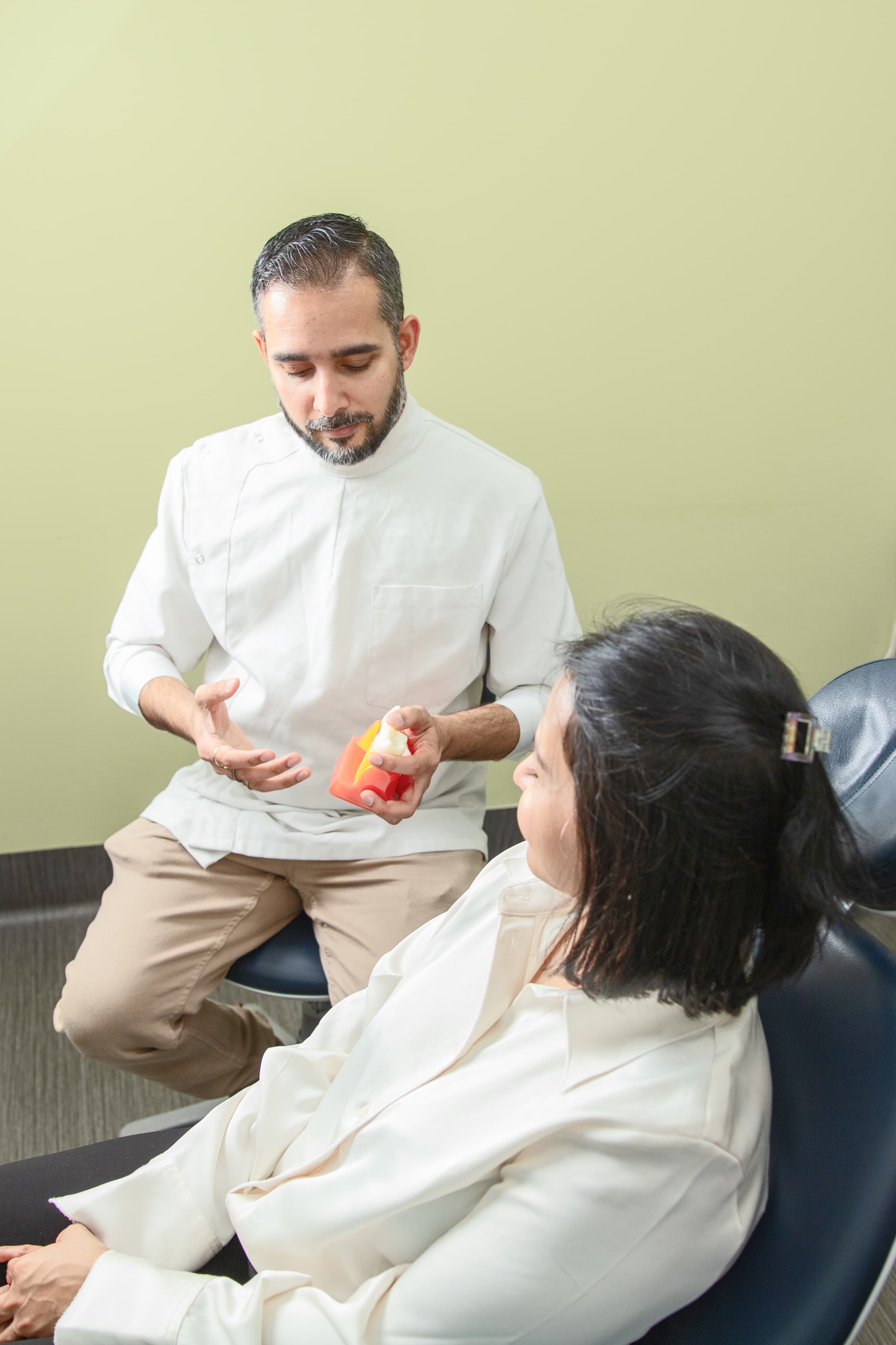
You've started a medicine and now your mouth feels sticky, your tongue feels dry, or you need water to get through a meal. Could the two be connected?
Yes, a dry mouth can be a side effect of medicines. But the timing alone does not establish the cause: dehydration and some health conditions can also be involved. Tell your dentist and the doctor who prescribed the medicine what has changed. Do not stop it or change the dose yourself. The Australian Dental Association's dry mouth guide recommends discussing medicine changes with your doctor.
At Woonona Dentists, you can raise this at a general dental appointment. Our team asks about your health and medicines as part of understanding your dental concerns. You don't need to work out the cause before you contact us.
Does a dry mouth mean the medicine is the cause?
Not necessarily. Healthdirect lists medicines among the possible causes of dry mouth, alongside dehydration and medical conditions. Sometimes there is no clear cause. A change after a new prescription is useful information to share, rather than a diagnosis to make at home.
The ADA also distinguishes the feeling of dryness from a confirmed problem with the glands that make saliva: a mouth that feels dry does not always mean those glands are not working properly. That's one reason to describe what you feel, rather than assuming you know what has happened.
What should I tell my dentist and doctor?
Bring a current list of your medicines, vitamins and supplements, and explain when the dryness started. The ADA recommends reviewing that list with your doctor. Better Health Channel describes a dry-mouth assessment that considers symptoms and medical history and includes a look at the mouth and teeth.
- Write down the medicine's name, when you started it, and any recent dose change. Include medicines you buy without a prescription.
- Describe the dryness in your own words: when it bothers you, whether saliva feels sticky or stringy, and whether eating or speaking has become difficult.
- Mention mouth soreness, ulcers or problems with dentures, if you have noticed them.
- Bring your questions about products, tooth care and who to contact about the prescription.
Healthdirect lists thick or stringy saliva, a rough tongue, mouth ulcers and difficulty speaking, chewing or swallowing among dry-mouth symptoms. Better Health Channel also describes changes in denture fit. These details help explain the problem you want assessed; they do not identify its cause on their own.
Should I stop taking the medicine?
No, do not make that change yourself. Healthdirect advises speaking to your doctor before changing doses if a medicine is causing dryness. Your doctor may consider a different dose or medicine, but Better Health Channel notes that a change is not always possible. Keep taking it as prescribed unless your treating doctor advises otherwise.
You can ask the prescriber: 'Could this be related to my medicine, and what can we do about it?' Ask your dentist separately how to care for your mouth. Both questions matter, and you don't have to choose between putting up with dryness and changing treatment on your own.
Why does my dentist need to know?
Saliva helps protect your teeth from decay, so persistent dryness deserves attention even if no tooth hurts. Healthdirect explains that dry mouth syndrome increases the risk of decay and gum disease and recommends regular dental visits to look for complications. The ADA says people with dry mouth may need check-ups more often.
Ask what check-up interval suits you rather than booking extra visits by default. Our daily oral care article covers brushing and cleaning between teeth, but a dry-mouth concern is a reason to ask how that routine should be adapted for your mouth.
What can I try while I arrange advice?
Published guidance includes drinking water, avoiding sugary drinks and using products designed for dry mouths. These steps address discomfort and oral care; the cause still needs to be considered. The ADA and healthdirect both advise seeking professional advice about a troublesome dry mouth.
- Choose water rather than sugary soft drinks, juice or cordial. Healthdirect recommends staying hydrated and avoiding those sugary drinks.
- Ask about sugar-free chewing gum. The ADA says chewing can encourage saliva flow, but gum may not suit you if you have jaw pain or a jaw problem.
- Ask your dentist about a saliva substitute, such as a dry-mouth gel or spray. The ADA describes these products as a way to keep moisture in the mouth.
- Avoid smoking and alcohol, which the ADA says can worsen dryness. Tell your clinician if particular foods sting or irritate your mouth.
- If you wear dentures, remove them overnight and clean them each day, as the ADA advises.
Water advice is not identical across the sources. The ADA suggests sipping water with food; Better Health Channel cautions against slow, continual sipping because it can wash away saliva. Ask your dentist how to manage drinking during the day if your mouth stays dry.
Do I need a different toothpaste or mouthwash?
Ask before adding products. Better Health Channel recommends regular fluoride toothpaste and says your dentist can advise which products suit dry mouth. It also advises avoiding alcohol-containing mouthwashes because they can irritate dry tissues. Tell your dentist if your current toothpaste burns.
The ADA discusses high-fluoride toothpaste for people with dry mouth. Ask whether that is appropriate for you and how to use it; a product mentioned in general guidance is not an individual recommendation. Keep cleaning between your teeth each day and ask for help if soreness makes your usual routine difficult.
When should I ask for an appointment?
Contact your doctor if the dryness bothers you or affects everyday life, as healthdirect recommends. The ADA advises seeing your doctor or dentist for a noticeably dry mouth so the cause can be investigated and a plan made. Mention difficulty eating or swallowing, mouth ulcers or ongoing soreness when you call rather than treating it only as a question about toothpaste.
If care is suggested, ask what it involves and what it costs before deciding. Woonona Dentists' fees page explains that written treatment plans include itemised costs and ADA item numbers. Our article on treatment choices has questions you can take to that conversation.
How can I raise this with Woonona Dentists?
You could say: 'My mouth has felt dry since I started a medicine. I'd like my teeth and mouth checked, and advice on what to discuss with my doctor.' Bring the medicine list and any products you have already tried.
Call (02) 4284 4486 or use our contact page to ask about an appointment and its fee. If you'd like to see a particular dentist, tell the team when you book. You can find Dr Beena Kurian's profile on our team page.
Sources
- Australian Dental Association: Dry mouth, including possible causes, medicine discussions, saliva substitutes and tooth care.
- Healthdirect: Dry mouth syndrome, including symptoms, assessment and when to seek advice; page last reviewed October 2023.
- Victorian Government Better Health Channel: Dry mouth, including assessment, products and self-care; page reviewed 9 September 2025.
- Woonona Dentists: general dentistry, fees, contact details and dental team.
Sources checked 8 November 2026. This article explains general published guidance. Your dentist and doctor can advise about your own symptoms and medicines.