Call UsBook an Appointment

Wisdom Tooth Removal

Wisdom tooth removal in Woonona, reasons your tooth may need attention

If a wisdom tooth is sore, the gum around it keeps swelling, or it is coming through at an angle, ask your dentist to take a look. They check the tooth, explain what they see and talk through your options. To book, call us on (02) 4284 4486 or book online.

Fees, private health benefits and third-party payment arrangements vary. Please confirm current details before relying on an option.

Wisdom Teeth

Not every wisdom tooth needs to come out

Wisdom teeth are the last adult teeth to come through, usually in your late teens or twenties. Some come through without trouble. Others do not have enough room, come through at an angle or stay partly under the gum.

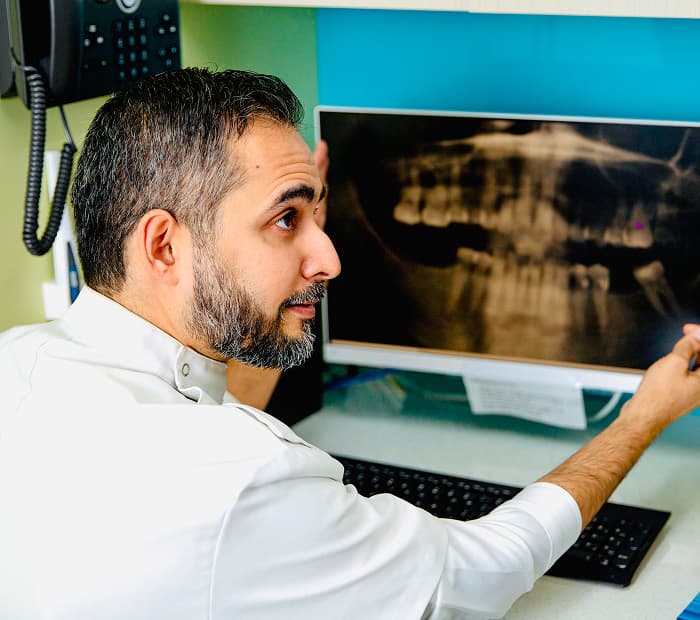
Your dentist checks the tooth, often with an X-ray such as an OPG (a panoramic X-ray of your whole mouth), and explains whether to remove it or keep an eye on it. If the thought of treatment worries you, ask whether IV sedation is an option.

For current fees, call us on (02) 4284 4486 or read Our fees.

How wisdom teeth develop

Wisdom teeth, also called third molars, usually come through between about 18 and 25 years of age. You can have up to four, but some only partly come through the gum, and some people never get any. Many people have their wisdom teeth removed, while others keep them without trouble.

Wisdom tooth care sits within our General Dentistry services, alongside a regular Check-up and clean.

Problems to look out for

Common problems include gum infection, not enough room, a tooth that comes through at an angle and presses on the next tooth or the gum (called impaction), and inflamed gum around the tooth, called pericoronitis. A wisdom tooth can also be hard to clean, which can lead to decay.

Lower wisdom teeth take longer to come through and are more likely to be impacted, which makes repeated infections more likely.

When removal may be advised

A wisdom tooth may need to come out if it does not come through the gum properly, is stuck against nearby teeth or bone, is at risk of decay or frequent gum infection, damages the cheek or gum, or is affected by a cyst. It may also need removing before certain jaw surgery or orthodontic treatment, so tell your dentist if you are planning Orthodontics.

Your dentist decides with you after a check and, usually, an X-ray.

Other care and medicine warnings

Removal is not always the first step. Your dentist may discuss pain relief, care for inflamed gums or treatment for infection. In selected cases, alternatives include removing the gum over the tooth or removing only the crown. Ask which options suit your situation.

Ask your dentist whether any of these suit your tooth.

A dentist in a light grey jacket talking with a dental nurse beside a dental chair.

Removal and possible complications

Most upper wisdom teeth can be removed easily under a local anaesthetic, while lower ones can be harder to remove. If the procedure is likely to be difficult, a sedative may be offered. The procedure may involve a cut in the gum, removing some bone around the tooth, or cutting the tooth into smaller pieces.

Tell your dentist if you take, or have ever taken, cancer medicines or bone medicines such as bisphosphonates. These raise the risk of osteonecrosis, a rare condition in which jawbone tissue dies.

Recovery at home

You should be able to go home the same day, should try to leave the wound alone for 1 to 2 days, and can usually return to normal activities within a week. Complications can happen, including bleeding, dry socket where the socket does not heal well, difficulty opening your mouth fully, damage to nearby teeth and, with lower wisdom teeth, nerve damage that can cause numbness in the lip, chin or tongue.

Your dentist explains the risks for your tooth.

If you wait or decline removal

If you delay or decide against removal, your symptoms may get worse or come back, and there is a risk of a serious infection. If your pain gets worse, contact your dentist. If decay has started, Tooth fillings explains how it is repaired, and Gum disease treatment covers sore gums.

Signs worth a visit

Wisdom teeth can cause problems such as infection, crowding and decay. These signs are worth a check, and your dentist can tell you whether they point to a wisdom tooth.

  • A sore tooth at the back: The back of your mouth aches or feels tight.
  • A swollen gum: The gum around a wisdom tooth keeps getting red, swollen or tender.
  • An angled tooth: Your dentist or an X-ray shows a wisdom tooth coming through at an angle.
  • Food trapped at the back: Food keeps catching around a wisdom tooth.

What happens at your visit

Your first visit is about finding out whether the tooth needs treatment at all. Your dentist explains what they see and what you can do next.

  • A check and X-ray: Your dentist looks at the tooth and may suggest an X-ray.
  • Your options explained: You hear whether the tooth should come out or be watched, and why.
  • A plan for treatment: You hear what the treatment involves and what to expect.
  • Aftercare advice: You hear how to look after the area once the tooth is out.

Request a Consult

Talk to our team

Use the form below to request a consult. Please avoid sharing sensitive health information through a website form.

Disclaimer: $50 refundable attendance deposit required to secure your appointment.
Your $50 deposit is fully refunded when you attend your consultation.

Frequently Asked Questions

Questions about Wisdom Tooth Removal

These general answers can help you prepare questions for an individual conversation.

Wisdom tooth removal in Woonona means taking out a back molar when an assessment supports it. It is not automatic. Ask the dentist to point to the tooth they mean and the finding behind their advice, because what applies to one wisdom tooth may not apply to another. Wisdom teeth information explains why some of these teeth cause trouble and others do not.

Removal leaves a socket, the space in the jaw where the tooth was, and a stitch may be needed, as Extraction information describes. Before you decide, ask about wound care, the anaesthetic and the fee estimate. Bring a note of your symptoms, past treatment and any worries, and say early if removal makes you anxious. Removal guide is useful reading beforehand, and our general dentistry page lists other care you can raise at the same visit.

A useful visit ends with you knowing which tooth was discussed, what was found and what happens next, including the option of waiting. If any part is unclear, ask for it to be explained again before you agree to anything.

Related Care

Continue exploring General Dentistry

  1. Services

    General Dentistry

    General Dentistry information
  2. Practice

    Our Fees

    See dental fees
  3. Practice

    Patient Offers

    Read patient offer terms
  4. General Dentistry

    Check-up and Clean

    Check-up and Clean information
  5. General Dentistry

    Tooth Fillings

    Tooth Fillings information

Ready to Book Your Next Dental Visit?

Whether you're due for a routine check-up, have a dental concern or want to talk about a treatment, our Woonona team can help.